Introduction
Nicotine pouches have gained traction as an alternative to traditional tobacco products like cigarettes, snus, and chewing tobacco. With rising concerns about health risks associated with smoking and the use of smokeless tobacco, these pouches present a viable option for many looking to satisfy their nicotine cravings without ingesting harmful substances found in cigarettes. But how do nicotine pouches work in your system? This article dives deep into the mechanics of nicotine pouches, their benefits and risks, and answers frequently asked questions surrounding them.
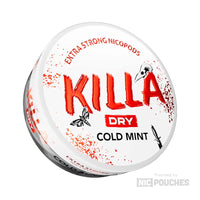
What Are Nicotine Pouches?
Nicotine pouches are small, white packets that contain nicotine derived from tobacco leaves but do not contain actual tobacco. These pouches are designed to be placed between your gum and lip, allowing the nicotine to be absorbed through the mucous membranes in your mouth. Unlike traditional snus or snuff, they are free from tobacco leaf material.
How Do Nicotine Pouches Work in Your System?
The way nicotine pouches work in your system is relatively straightforward. Upon placing a pouch between your gum and lip, the saliva in your mouth begins to dissolve the pouch. This process releases nicotine into your bloodstream through the tissues lining your mouth.
One of the significant advantages of this method is that it bypasses the lungs entirely, making it less harmful than smoking. The onset of effects can be quick; users often report feeling the impact within a few minutes.
How Long Does Nicotine Stay in Your System?
Nicotine has a half-life of about two hours. https://privatebin.net/?2c8c8caf58e69433#3rcKnAb83xuZ4eLbmvTYLBCst8pXuDq37FnZUFotNj9B This means that its concentration decreases by half every two hours after consumption. However, its metabolites can remain detectable in urine for up to three days and in blood for several days after use.
Are Nicotine Pouches Safe?
While many consider nicotine pouches safer than smoking or using traditional forms of smokeless tobacco, they are not without risks. The primary concern revolves around addiction due to nicotine's highly addictive nature.
Comparing Nicotine Pouches and Snus: What's the Difference?
Both nicotine pouches and snus serve similar purposes—delivering nicotine without smoke—but there are crucial differences:
- Tobacco Content: Snus contains ground tobacco leaves, while nicotine pouches do not. Flavor Options: Nicotine pouches often come in various flavors not typically found in traditional snus. Health Risks: While both methods carry risks related to addiction, studies suggest that non-tobacco alternatives may pose fewer health risks.
Are Nicotine Pouches Better Than Vaping?
The debate over whether nicotine pouches are better than vaping largely depends on individual health goals and preferences. Vaping exposes users to various chemicals found in e-liquids, while nicotine pouches offer a more straightforward approach by utilizing only flavored nicotine.
Is Snus Bad for You?
While snus is often touted as less harmful than smoking cigarettes due to lower levels of carcinogens, it still poses health risks such as gum disease and potential links to cancer. As with any product containing nicotine, moderation is key.
How Long Do You Keep a Nicotine Pouch In?
Generally speaking, users keep a nicotine pouch in their mouths for 20-60 minutes before discarding it. Individual experiences may vary based on personal tolerance levels and preferences.
FAQs About Nicotine Pouches
What does snus do? Snus delivers nicotine through oral absorption without requiring spitting or chewing like traditional chewing tobacco.

Can you reuse snus? It’s not advisable to reuse snus or any type of pouch as doing so can lead to reduced effectiveness and hygiene issues.
Can you take snus on a plane? Yes! Most airlines allow passengers to carry snus or nicotine pouches as long as they comply with local laws regarding tobacco products.
Does using snus help you quit smoking? Some individuals find that using snus helps them transition away from cigarettes by providing a similar experience without smoke inhalation.
What happens if you swallow a pouch accidentally? Swallowing a pouch can lead to nausea or upset stomach due to concentrated levels of nicotine; it's best avoided altogether.
How much does a pouch of tobacco cost compared to a pouch of nicotene? Prices vary widely depending on brands and local markets; however, on average, both types tend to range from $3-$10 per pouch depending on location and quality.
Conclusion
Understanding how do nicotine pouches work in your system is vital for anyone considering their use as an alternative means of satisfying cravings or quitting smoking altogether. While they provide more flexibility with fewer immediate health concerns than traditional methods like smoking or chewing tobacco, they still come with risks primarily related to addiction potential due to their high levels of nicotine content.
By weighing these factors carefully against your personal circumstances—be it seeking alternatives for quitting smoking or simply exploring new options—you'll be better equipped to make informed decisions about incorporating these products into your lifestyle responsibly.
Ultimately, whether you choose to go down this route should involve thorough research coupled with considerations about overall well-being—not just temporary satisfaction but long-term health outcomes too!