Traveling can be an exciting adventure, but it comes with its own set of challenges—especially for tobacco users. Whether you're a seasoned traveler or a first-timer, understanding the safety guidelines for traveling with tobacco products like snus is crucial. This article dives deep into the world of snus, its regulations, and practical tips to ensure a smooth journey.
What is Snus?
Snus is a smokeless tobacco product originating from Sweden. It comes in small pouches that users place between the lip and gum. Unlike traditional chewing tobacco, snus doesn't require spitting, making it convenient for discreet use.
How Does Snus Work?
When placed in the mouth, snus releases nicotine and flavorings absorbed through the mucous membranes in the mouth. This method of delivery offers a different experience compared to smoking or vaping. Many users appreciate snus because it provides a quick nicotine fix without the need for combustion.
What Does Snus Do?
The primary purpose of snus is to provide nicotine without smoking. Users often turn to it as an alternative to cigarettes or as a means to curb cravings during times when smoking isn't feasible. However, questions about its safety and health risks remain pertinent.
Is Snus Bad for You?
While many consider snus a less harmful alternative to smoking due to reduced carcinogenic exposure, it's not without risks. Studies suggest that long-term use can lead https://privatebin.net/?ac7713b8bd8126e3#8M9RFgK1SqeCBc81hBv5YiuFQQxWHhUWViJM3PZNpQeh to oral health issues and potential addiction due to its nicotine content. So, while it may be less harmful than cigarettes, it's essential to approach it with caution.
Understanding Nicotine Pouches
Another option gaining popularity among tobacco users is nicotine pouches.
What Are Nicotine Pouches?
Nicotine pouches are similar in appearance to snus but contain no tobacco leaf; instead, they’re made with synthetic nicotine and flavoring agents. They offer users an alternative way to consume nicotine without any tobacco-related health risks associated with traditional products.
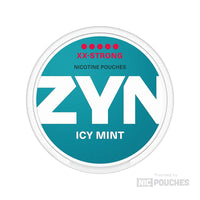
Are Nicotine Pouches Safe?
While marketed as safer alternatives, research on long-term effects is still limited. As these products gain popularity, it's essential for consumers to stay informed about their potential impacts on health.
Traveling with Tobacco Products: The Essentials
When planning your travels, being aware of local laws regarding tobacco products is crucial.
Is Snus Illegal?
In most countries where it's legal, snus remains easily accessible; however, certain regions have restrictions on its sale or use. For example:
- In the European Union, sales of snus are banned except in Sweden. In countries like Australia and New Zealand, strict regulations govern its importation.
It's imperative to check local laws before traveling—what's legal in one country might not be in another.
Can You Take Snus on a Plane?
Generally speaking, yes! Most airlines allow travelers to carry snus in their hand luggage. However:

- Check airline policies beforehand. Ensure compliance with customs regulations at your destination. Pack enough supply for your trip duration but avoid overpacking—some countries have limits on how much you can bring.
Safety Guidelines for Traveling with Tobacco Products Like SNUS
Research Local Laws: Always familiarize yourself with local legislation regarding tobacco products. Pack Wisely: Carry your products securely in their original packaging. Know Your Limits: Be aware of how much you can legally transport across borders. Keep Documentation: If necessary, keep purchase receipts handy for customs checks. Stay Discreet: Use discretion when consuming these products in public spaces; some areas prohibit usage altogether. Be Considerate: Respect non-smokers and local customs regarding tobacco use.Common Questions About Snus and Travel
1. Can I take snus abroad?
Yes, you can generally take snus abroad but check specific country regulations before traveling.
2. How much is a pouch of tobacco?
Prices vary by brand and location but typically range from $3-$7 per pouch.
3. Is there an age restriction on buying snus?
Most countries require you to be at least 18 years old to purchase tobacco products including snus.
4. What happens if I swallow snus?
Swallowing small amounts usually results in mild discomfort or nausea due to nicotine absorption; larger amounts may lead to more severe symptoms.
5. How long does snus last?
Once opened and stored properly, most packs maintain freshness for about six months—but always check expiration dates!
6. Can I reuse snus?
Reusing used pouches isn’t recommended as they lose potency and hygiene becomes an issue.
Conclusion
Traveling with tobacco products like snus requires careful planning and awareness of regulations governing their use globally. By adhering to safety guidelines for traveling with tobacco products like SNUS presented here, you can enjoy your journey while minimizing stress related to compliance issues surrounding these items.
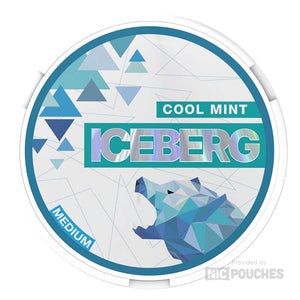
Remember that every country has unique rules about tobacco consumption—stay informed! Keeping this knowledge at hand will ensure your travel experience remains enjoyable without unwanted surprises along the way!