Introduction
The world of tobacco has a myriad of forms and traditions, each with its own rich history. One such tradition is snus, a moist powdered tobacco product that has garnered both admiration and scrutiny over the years. But what exactly is snus? This article dives deep into the cultural significance of snus through history, exploring its origins, its impact on society, and how it has evolved over time. We will touch upon various aspects including its usage, varieties like pablo snus and killa snus, and even address concerns about snus side effects. Buckle up as we embark on this historical journey!
What is Snus?
Snus is a type of smokeless tobacco that originated https://penzu.com/p/f0cab62323d4a3ec in Sweden. Unlike chewing tobacco or other forms, it’s placed under the upper lip and doesn’t require spitting. This unique method of consumption offers smokers a discreet alternative to traditional smoking methods.
The Composition of Snus
At its core, snus consists of finely ground tobacco leaves mixed with water, salt, and flavorings. The moisture content helps release nicotine without combustion, making it less harmful than typical cigarette smoking.
How to Use Snus?
Using snus is relatively straightforward. Users pinch off a small portion (usually around one gram), place it between their gum and lip, and let it sit for upwards of 30 minutes to an hour while absorbing nicotine.
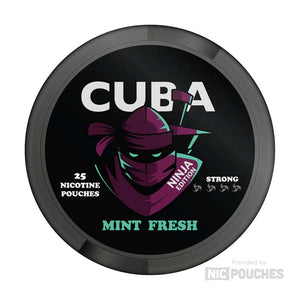
Varieties of Snus: An Overview
Various brands have proliferated globally since its inception:
- Pablo Snus: Known for its strong flavor and high nicotine content. Killa Snus: Popular among younger consumers for its range of flavors. Iceberg Snus: Renowned for its icy mint flavor. Siberia Snus: Famous for being one of the strongest options available today.
These varieties highlight not only the versatility but also the importance of flavor profiles in attracting different demographics.
The Cultural Significance of Snus Through History
Snus has played a pivotal role in Swedish culture since the 18th century. It was originally introduced as a means to reduce the health risks associated with smoking; however, over time it transformed into a cultural artifact symbolizing social status and camaraderie among users.
Historical Roots: Origins in Sweden
The practice of using snuff (the precursor to modern-day snus) can be traced back to the indigenous tribes in South America who used tobacco in religious ceremonies. When European settlers arrived, they brought this tradition back home where it morphed into various forms—including snus.
Snus in Swedish Society
In Sweden, especially during the 19th century, snus became ingrained within various social classes—used by laborers seeking an inexpensive nicotine fix as well as aristocrats indulging in flavored varieties.
Social Rituals Involving Snus
Using snus often comes with certain rituals—from sharing cans among friends to discussions about different flavors at social gatherings. Such behaviors emphasize community ties that this product fosters amongst users.
Global Expansion: From Sweden to Worldwide Acceptance
As globalization took hold in the late 20th century, so did the spread of snus beyond Swedish borders. Countries like Norway quickly adopted this form due to similar cultural sentiments towards smokeless tobacco.
Debunking Myths Around Snus: Is Snus Bad for You?
Despite its popularity, many still harbor misconceptions about snus’ safety compared to cigarettes or other forms of tobacco use.
Health Risks Associated with Snus Side Effects
While research indicates that using snus poses fewer health risks than smoking cigarettes—largely due to reduced exposure to harmful tar—there are still potential side effects:
- Increased heart rate Gum disease Potential addiction due to nicotine content
Understanding these risks is crucial for users deciding whether it's worth incorporating into their lives.
Regulatory Standards Across Different Regions
Countries have varied approaches toward regulating products like snus; while Sweden views it favorably within public health discourse—the United States maintains stricter regulations primarily aimed at discouraging youth usage.
Cultural Perspectives: How Different Societies View Snus
While Sweden embraces snus as part of their national identity, other cultures may regard it with skepticism or outright disdain due to differing attitudes towards tobacco consumption.
Snustopia: A Look at Modern Acceptability
In recent years, there has been an uptick in acceptance across parts of Europe and even North America; brands like Velo have emerged catering specifically to younger audiences craving alternatives without smoke inhalation risks.
Case Study: The Rise of Planet Snus in Popular Culture
Planet Snus—a brand known for its innovative marketing strategies—has carved out significant market share by aligning itself with lifestyle branding appealing directly toward millennials looking for trendy alternatives within traditional categories.
Comparative Analysis: Snuff vs. Snus vs. Chewing Tobacco
To better understand where snus stands within the broader context of tobacco products—let’s compare three popular forms:
| Type | Method | Health Risks | |---------------|---------------------------------|-------------------------------------------| | Snuff | Inhaled through nose | Risky for respiratory issues | | Chewing Tobacco| Chewed | High risk for oral cancer | | Snus | Placed under lip | Lower risk than smoking but still present |
This table illustrates that while no form is entirely without risk—snuff may pose greater dangers compared with more regulated consumption methods like using modern-day snuses such as Killa or Velo brands targeting healthier lifestyles.
The Evolution of Flavors: Why Variety Matters in Today’s Market
One fascinating aspect contributing significantly toward sustaining interest around products like Pablo or Iceberg lies within varying flavors available today—from classic minty tones all way down fruity notes designed specifically appeal younger audience segments craving unique experiences every time they reach out grab can!
Consumer Trends Shaping Flavor Development
As tastes evolve alongside demographic changes—companies continually innovate developing new offerings catering specifically consumer preferences reflecting current trends observed across industries beyond just food & beverage sectors alone!
FAQs About Snus Usage and Its Cultural Impact
What’s snus made from?
Snusun typically comprises ground tobacco leaves mixed with saltwater flavorings.
Is there any difference between regular cigarettes and using killa/snus products?
Yes! While both involve nicotine consumption—the absence combustion reduces overall harmful effects associated typically found traditional smoking.
Why do people prefer icebergs over other options?
Iceberg offers refreshing mint flavors appealing those seeking relief from intense heat during summertime activities.
Can I get addicted using planet/snuse products?
Yes! Because most contain nicotine—the potential exists develop dependency similar patterns observed elsewhere.
How should I store my opened can after purchase?
Keep refrigerated if possible maintain freshness longer lasting quality product.
Are there any age restrictions on purchasing these types items today?
Absolutely! Most countries enforce strict regulations surrounding sale smokeless tobacco products requiring consumers meet minimum legal ages.
Conclusion: The Enduring Legacy of Snusing Culture Throughout History
From humble beginnings as an alternative solution against smoking-related health hazards—to becoming deeply embedded within Swedish social fabric—the cultural significance surrounding use continues evolve adapting modern times whilst retaining core essence shared across generations past present alike!
In summary—while questions remain regarding potential impacts upon public health considerations—it appears clear enough individuals gravitate towards finding solace companionship through shared experiences utilizing this unique form smokeless enjoyment ultimately forging connections spanning various walks life!